Portable toilets are often lauded for their eco-friendly benefits, providing a sustainable sanitation option that minimizes environmental impact. Unlike traditional restrooms that require a constant supply of water and integration into sewage systems, portable toilets use advanced technology to utilize minimal resources. Each unit is equipped with a closed system that efficiently uses chemicals and minimal water to treat waste, significantly reducing freshwater usage.Additionally, portable toilets can make use of biodegradable and eco-friendly chemicals, further enhancing their environmental friendliness by providing safe breakdown processes. They also prevent contamination of natural water bodies by containing waste securely until it can be treated properly. Furthermore, the design of portable toilets often includes recyclable materials, which reduces the overall carbon footprint associated with construction.Portability is another advantage as they can be moved without the need for construction or destruction of landscapes, minimizing habitat disturbance. This versatility complements outdoor events and natural locations, preventing the adverse effects of infrastructure build-out on ecosystems. Their ability to provide temporary sanitation solutions without demanding permanent alterations to the environment makes them a valuable choice for environmentally conscious planning.Lastly, by decreasing the necessity for plumbing infrastructure, portable toilets help manage resources effectively, aiding in environmental goals related to sustainability and conservation efforts. From water savings to reducing ecological disruption, portable toilets are integral to fostering eco-friendly event planning and construction activities worldwide.

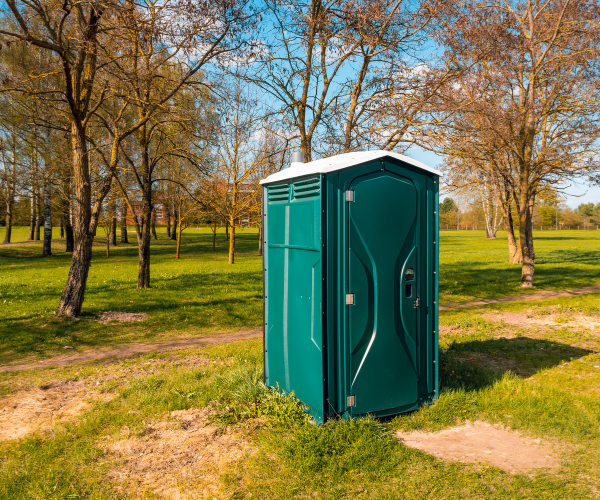
Portable Toilet Rentals in Knox County, Tennessee
Call today for a free quote (865) 353-9351
Portable Toilet
Fast, Easy, & 100% Free To Get Started
Over 20 Years of Experience
East Tennessee Portables, with over 20 years of expertise, firmly anchors itself in Knox County. We deliver reliable, high-quality service, prioritizing our customers' needs to ensure their complete satisfaction.
Uncompromising Quality Service
We stand out for our commitment to quality service, ensuring each Portable Restroom is meticulously maintained and equipped for your convenience. Rely on us for top-tier sanitation solutions customized to your specific needs.
Prompt and Efficient Delivery
At East Tennessee Portables, we take pride in delivering portable toilets swiftly, ensuring your site is ready without delay. Our efficient service guarantees minimal wait times and high customer satisfaction.
Convenient Portable Toilet Solutions in Knox County
Call for a Free Quote Today
(865) 353-9351
East Tennessee Portables in Knox County is your trusted partner for portable toilet services, offering reliability and exceptional customer care. As a locally owned business, we pride ourselves on being dependable and attentive to our community's needs. Our wide range of products and services is perfect for construction sites, parties, festivals, and weddings. We also serve surrounding areas, ensuring that any event or project functions smoothly. Choose us for high-quality, well-maintained units that enhance guest experience and meet standards of cleanliness. Our courteous team is dedicated to providing service you can count on.
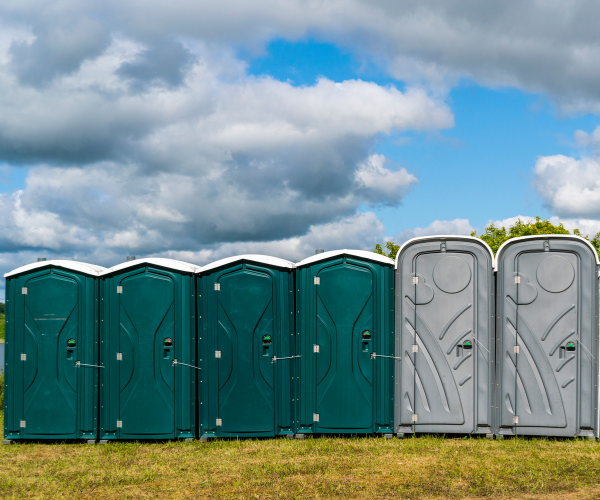
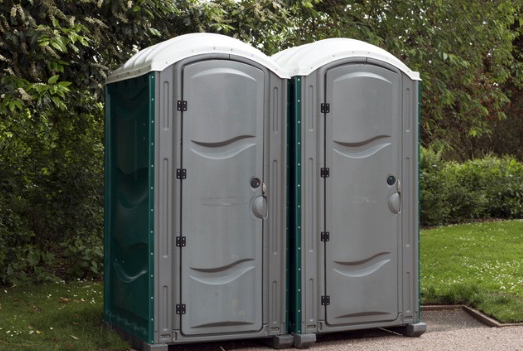
Standard Portable ToiletOur standard porta john rental units are durable and reliable for any commercial build site, housing development, public works project, or remodel job.Features include dome lighting, grated floors, and an “In-Use” locking mechanism for privacy and comfort.Regularly maintained, inspected, and cleaned by FusionSite at your location.
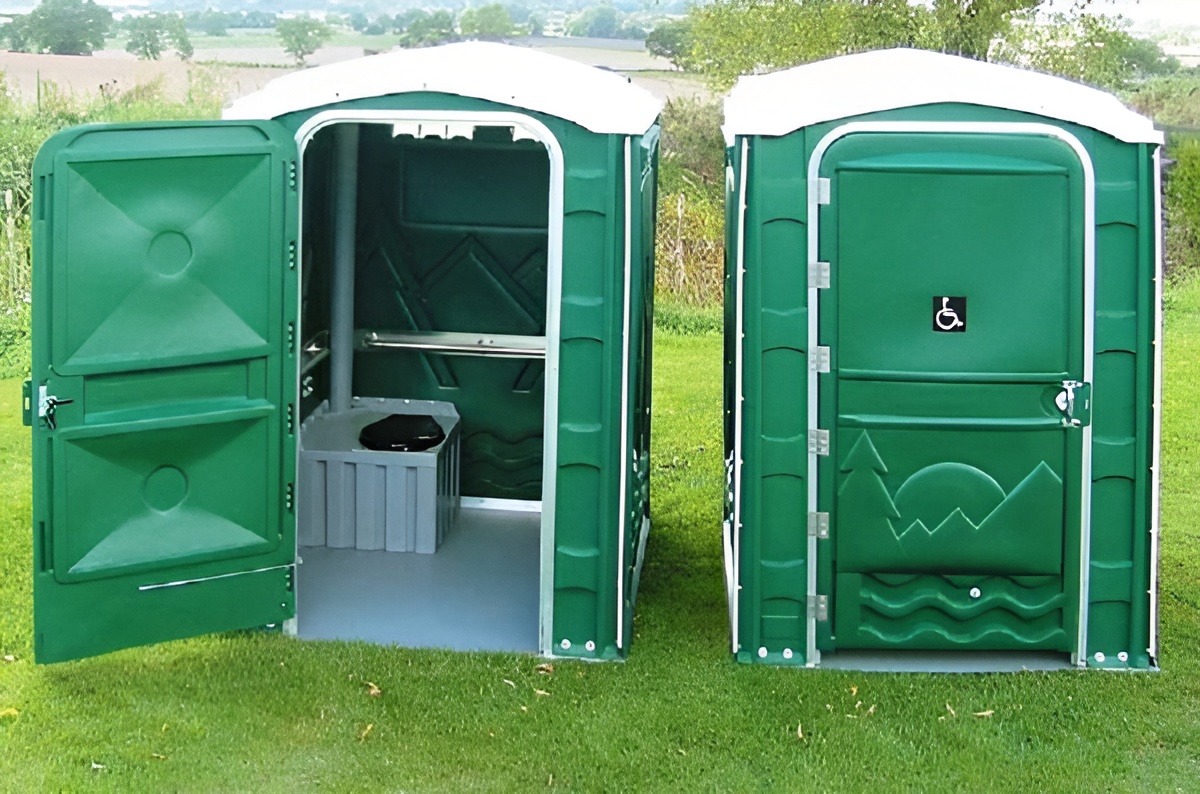
Wheelchair Accessible RestroomsDeveloped as an alternative to full ADA-compliant restrooms, the Liberty is a spacious, wheelchair-accessible unit that can also be promoted as a family-sized restroom.Includes a patented flat-floor system for easy wheelchair access and maneuverability.Handrails, paper holder, and rotary latch are designed for simple, intuitive end-user operation.
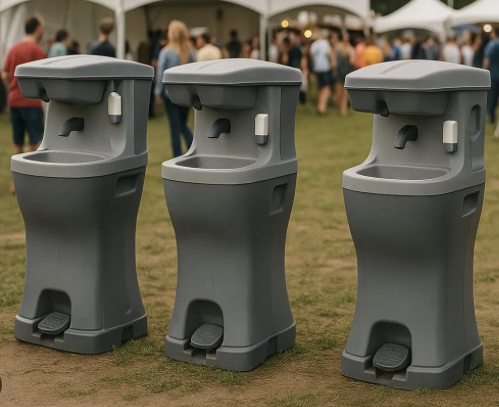
Portable SinkPortable hand washing stations are essential for keeping your work site sanitary and clean.Features hands-free foot pumps, liquid soap, and paper towels.Perfect for job sites without water hookups, these units can handle hundreds of washes between services.
We Proudly Serve
Standard Portable Toilets
Our Standard Portable Toilets offer reliable sanitation solutions tailored for any outdoor or construction event in East Tennessee.
High Rise Portable Toilets
High Rise Portable Toilets provide elevated convenience and sanitation for construction projects in Knox County, Tennessee.
Restroom Trailers
Restroom Trailers at Knox County by East Tennessee Portables offer luxury conveniences with climate control and running water.
Roll off Dumpsters
East Tennessee Portables provides efficient Roll Off Dumpsters in Knox County for hassle-free waste disposal solutions.
Septic Tank Cleaning
Our Septic Tank Cleaning service in Tennessee ensures your systems operate efficiently, meeting all hygiene standards.
Grease Trap Cleaning
Grease Trap Cleaning services in Knox County, Tennessee, keep your facilities efficient and compliant with local regulations.
Fencing & Barricades
East Tennessee Portables' Fencing & Barricades service offers secure, adaptable solutions for events and worksites in Tennessee.
Residential Storage
Residential Storage services in Knox County, Tennessee, ensure secure, flexible storage solutions to fit your needs.
Knox County Portable Toilets and More
Acquiring a portable toilet for your event or site in Knox County is straightforward and hassle-free. At East Tennessee Portables, we offer a seamless process to obtain quotes and services that perfectly fit your needs. Simply start by visiting our website, where you can easily navigate to the 'Get A Quote' section. Here, our user-friendly forms allow you to fill in basic details like your name, contact number, and location, making it easy for us to understand your requirements.Once submitted, our team responds promptly, providing you with a comprehensive quote tailored specifically to your event or project's needs. We value transparency, ensuring there are no hidden costs or surprises, allowing you to plan efficiently. Delivery of our portable toilets is equally efficient and well-coordinated, ensuring timely arrival ahead of your planned activity. Our professional team handles all logistics, setting up the units quickly and safely, whether for a small gathering or a large festival.Throughout the rental period, we offer continuous support, tackling any concerns swiftly to ensure complete satisfaction. Whether you need standard portable toilets or luxury restroom trailers, we have the solutions and expertise to enhance your guest's experience. Trust East Tennessee Portables for an easy, reliable way to secure portable sanitation services in Knox County.
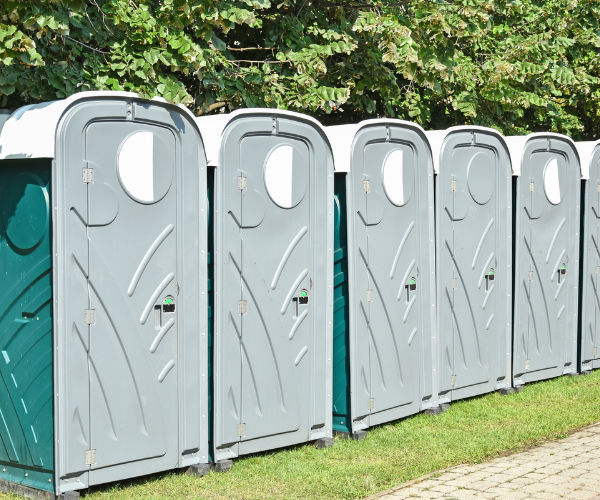
Knox County boasts charm and a lively community, thriving with outdoor opportunities and alluring attractions that host numerous events year-round. At East Tennessee Portables, we expertly cater to this dynamic with portable toilet services that complement any gathering. From the bustling Knoxville Dogwood Arts Festival to thrilling games at Neyland Stadium, our dependable service delivers top-tier sanitary solutions suited to every occasion. Our portable toilets are meticulously clean, conveniently accessible, and perfectly blend with the area's scenic beauty, ensuring comfort without detracting from your event's appeal. As locals, we understand Knox County's unique requirements, making us the preferred choice for portable sanitation. We recognize each event as vital to community life; our offerings are crafted to enhance successful gatherings while maintaining the locale's natural charm. Discover exceptional portable sanitation service customized for Knox County.
Knox County residents seek nothing but the best, and East Tennessee Portables is proud to stand out as the premier provider of restroom solutions in the area. Our commitment to quality and customer satisfaction sets us apart, making us the preferred choice for discerning clients.Our reputation is built on delivering clean, dependable rental units, perfectly maintained and designed to meet various needs, from large-scale festivals to intimate weddings. The team embodies a deep understanding of local preferences, ensuring our services are always in line with what a Knox County event demands.East Tennessee Portables takes pride in its responsive customer service, dedication to excellence, and ability to handle logistical details with ease, promising an experience that resonates with the warmth and community values of Knox County.
For quick, reliable service in Knox County, East Tennessee Portables is the trusted name. Knowing that every event's timeline and convenience matters, we deliver portable toilets swiftly, ensuring your site is ready without delay.Our seasoned team tackles everything from delivery to setup, allowing you to focus on other important aspects of your event. Whether for a bustling construction site or a serene outdoor wedding, our prompt service guarantees satisfaction and comeback for future endeavors.We pride ourselves on efficiency, backed by years of local expertise and a vast inventory, always positioning us to meet your needs with precision. East Tennessee Portables is your go-to provider for responsive and competent sanitation solutions.
Learn More About Our Portable Toilet in Knox County
Renting a portable toilet in Knox County is straightforward and user-friendly, ensuring access to convenient sanitation solutions when you need them most. Our website provides streamlined processes designed to cater to diverse client requirements efficiently, starting with easy navigation to our 'Get A Quote' section prominently displayed on our homepage. Simply clicking any of the strategically positioned 'Get A Quote' buttons leads you to a form where we gather essential details.This form, concise and purposeful, only requires basic information such as your first name, last name, phone number, and email address. This simplicity allows us to quickly assess your needs and check availability for any custom requests. Once submitted, our knowledgeable team swiftly responds, providing a detailed and transparent quote based on the specifics of your request, ensuring there are no surprises.Following your approval, a seamless coordination process initiates between our logistics team and your chosen location, guaranteeing punctual delivery. Regardless of whether your requirements are for a single restroom or multiple units for a large event, our inventory can accommodate all demands.Easy form submission, coupled with prompt customer response and thorough service delivery, ensures your event or project runs smoothly, with trusted, clean facilities at your disposal. East Tennessee Portables takes pride in our hassle-free rental experience, designed to offer flexibility and peace of mind in Knox County and beyond.
The delivery timeframe for portable toilet orders from East Tennessee Portables is designed to be both flexible and prompt, tailored to meet the dynamic needs of our customers in Knox County. When placing an order, clients can expect efficient processing, with initial assessments conducted swiftly to determine the best logistical approach. Typically, after a quote agreement is reached, our team organizes delivery details to align perfectly with your event timeline.Under normal circumstances, delivery can be expected within a matter of days. However, during peak seasons characterized by high demand such as summer events and construction booms, we recommend arranging your rental in advance to secure preferred delivery dates and ensure priority handling.In the case of last-minute requests, our well-stocked inventory enables quick adaptability, often accommodating urgent orders to meet immediate needs. We understand the importance of timely delivery, whether for an impromptu gathering or a fast-paced construction site, and strive to maintain flexibility without compromising service quality.Our experienced logistics team focuses on punctual installations, strategically planning routes to avoid delays, and confirming all set-up requirements ahead of time. On-site coordination ensures that every unit is positioned correctly, according to any specific location demands, before any event kicks off.Moreover, we pride ourselves on our continued communication, providing updates and answering client inquiries promptly to facilitate an organized flow of service. Trust East Tennessee Portables for reliable, on-time delivery that keeps your schedule on track and your sanitation needs met.
Yes, indeed we do service a wide variety of events and construction needs! At East Tennessee Portables, our versatile array of services is designed to meet the diverse requirements of any occasion. From bustling festivals brimming with attendees to corporate events that demand elegance, we have the facilities to accommodate all.We proudly offer customizable options such as luxury restroom trailers equipped with climate control and running water, perfect for weddings and classy gatherings where enhanced comfort is paramount. For your everyday outdoor needs, our standard porta potties offer reliable sanitation solutions, suitable for everything from family reunions to sporting events.When it comes to construction sites, our specialized units are crafted to tackle on-ground demands, offering sturdy build and practical features. We also provide additional facilities such as ADA-compliant units, portable sinks, and hand sanitizer stations to ensure hygiene is never compromised, no matter the setting.Furthermore, beyond just toilet facilities, we extend our services through options like roll-off dumpsters and temporary fencing, providing comprehensive solutions that address logistical elements of site management with ease.Our goal is to offer practical, high-quality rental choices that elevate your event or project, making us the go-to for reliable, complete service packages in the region.