Restroom trailers present numerous eco-friendly advantages that cater to environmental-conscious consumers. One primary benefit is their reduced water usage compared to traditional restroom facilities. Equipped with efficient plumbing systems and low-flow fixtures, these trailers greatly minimize water wastage. This conservation aspect proves particularly advantageous in areas facing water scarcity, as it aids in curbing unnecessary consumption and supports sustainable practices.Moreover, restroom trailers play a pivotal role in waste management by containing waste within self-contained tanks. This setup not only controls human waste disposal but also minimizes the likelihood of contamination and environmental pollution. By adhering to stringent sanitation standards, restroom trailers effectively lessen their ecological impact, fostering a cleaner and healthier environment.Another significant eco-friendly aspect of restroom trailers is the materials used in their construction. Many manufacturers prioritize sustainable materials that have a lower environmental footprint, such as recycled plastics and metals. These trailers often undergo eco-friendly manufacturing processes that comply with green certifications, ensuring minimal harmful emissions and resource wastage. This commitment to sustainable production further enhances the environmental benefits associated with these units.Furthermore, restroom trailers offer the flexibility of being easily relocated and serviced. Their mobility enables optimal placement based on facility demand, reducing the need for large-scale restroom developments that may disrupt natural habitats. Accompanying this convenience, regular maintenance allows for their continual reuse, extending their lifespan and reducing waste disposal.By choosing restroom trailers, event planners and site managers can contribute to greener practices without compromising on efficiency and comfort. As society increasingly emphasizes eco-friendliness, restroom trailers embody a conscious choice towards sustainability. Their reduced water usage, waste management capabilities, and utilization of sustainable materials solidify them as a leading option for environmentally responsible sanitation in diverse settings.

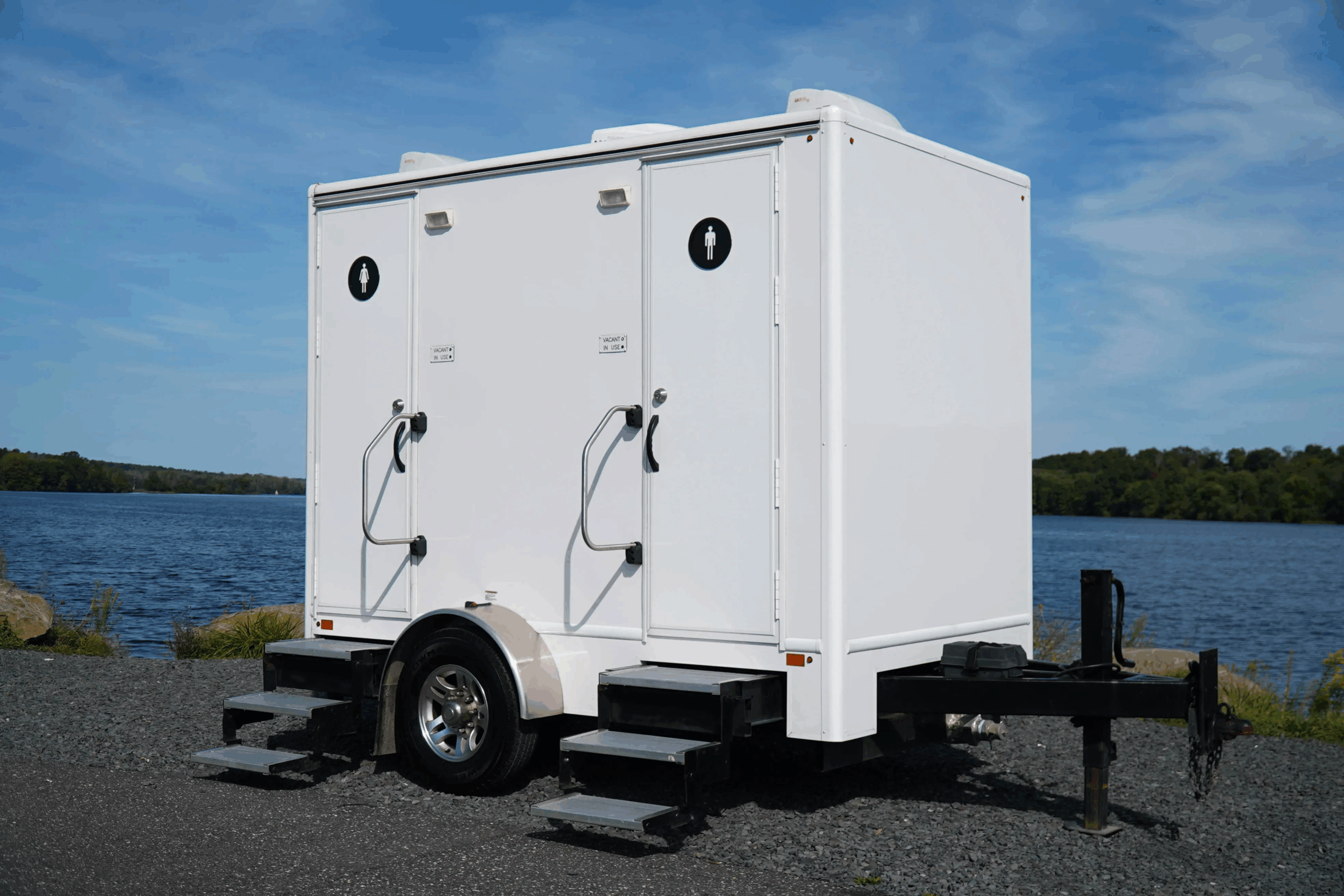
Restroom Trailer Rentals in Dayton, Tennessee
Call today for a free quote (865) 353-9351
Restroom Trailer
Fast, Easy, & 100% Free To Get Started
Decades of Local Experience
With over two decades of experience, our company has established deep community ties in Dayton, maintaining a strong commitment to quality and customer satisfaction. Trusted locally, we deliver excellence across all services, driven by a passion for providing clean and reliable restroom trailers.
Unmatched Quality Service
Our unwavering dedication to quality service distinguishes us within the industry. We focus on customer satisfaction, delivering impeccably clean, well-maintained restroom trailers equipped to meet the highest standards of comfort and convenience.
Swift, Reliable Delivery
We pride ourselves on swift delivery, ensuring your restroom trailer arrives exactly when and where you need it. Our dedicated team guarantees efficient service, so you can focus on what's important—your event's success.
Premium Portable Restroom Solutions in Dayton
Call for a Free Quote Today
(865) 353-9351
Situated in Dayton, Tennessee, our Restroom Trailer company exemplifies dependable service within the community. As a locally owned business, we excel in providing meticulously maintained restroom trailers for every occasion. Whether orchestrating a vibrant festival, planning an elegant wedding, or managing a dynamic construction site, we offer the ideal solution. Trusted widely in Dayton and its neighboring areas, we have built our reputation on punctuality, professionalism, and unwavering customer satisfaction. Our services accommodate parties, festivals, and construction sites, addressing the diverse needs of those we serve. Choose us for your next event and enjoy the confidence that comes from partnering with a company that genuinely values your experience.
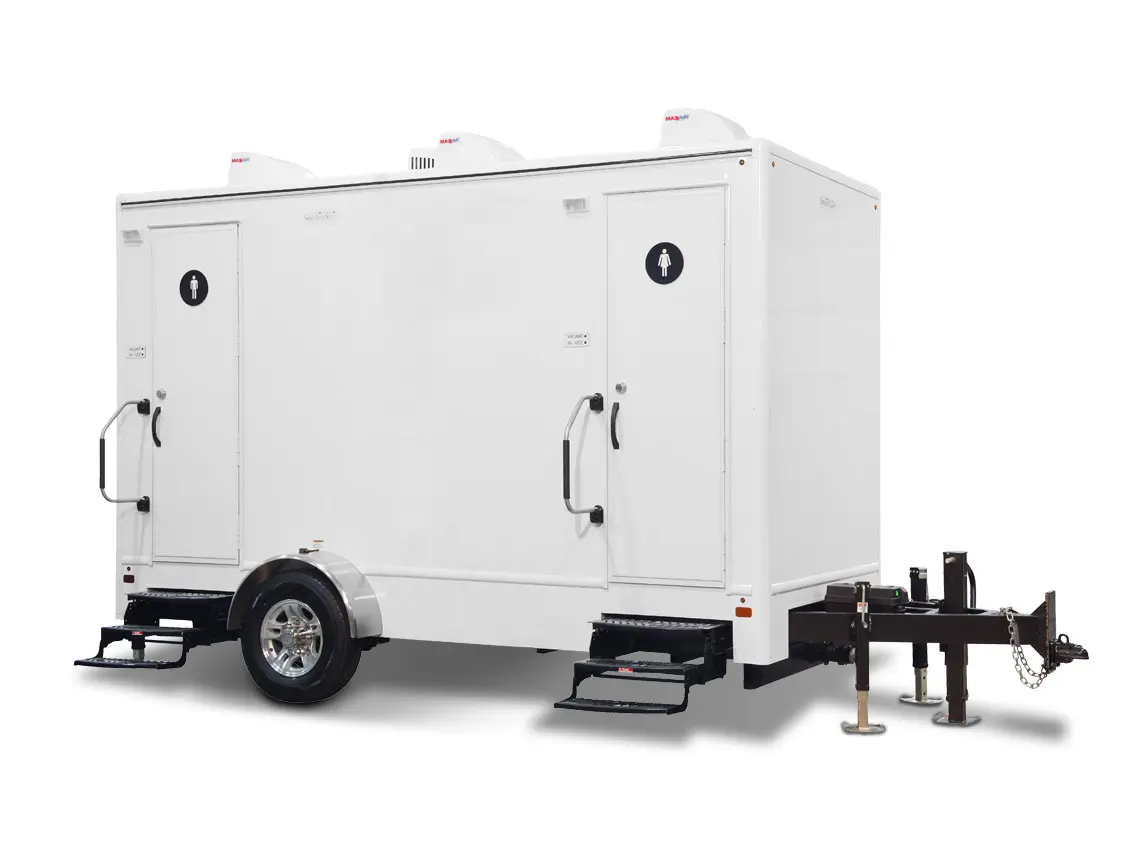
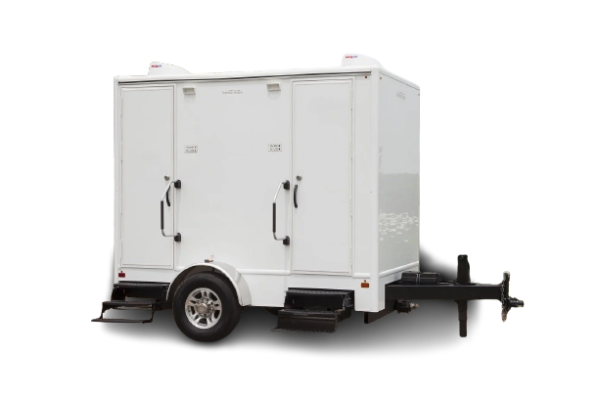
2 RestroomsA compact, stylish solution featuring separate entrances for men and women.Each private suite includes flushing toilets, sinks with running water, interior lighting, and climate control for comfort at any event or worksite.(We offer variants 2–10 stalls.)
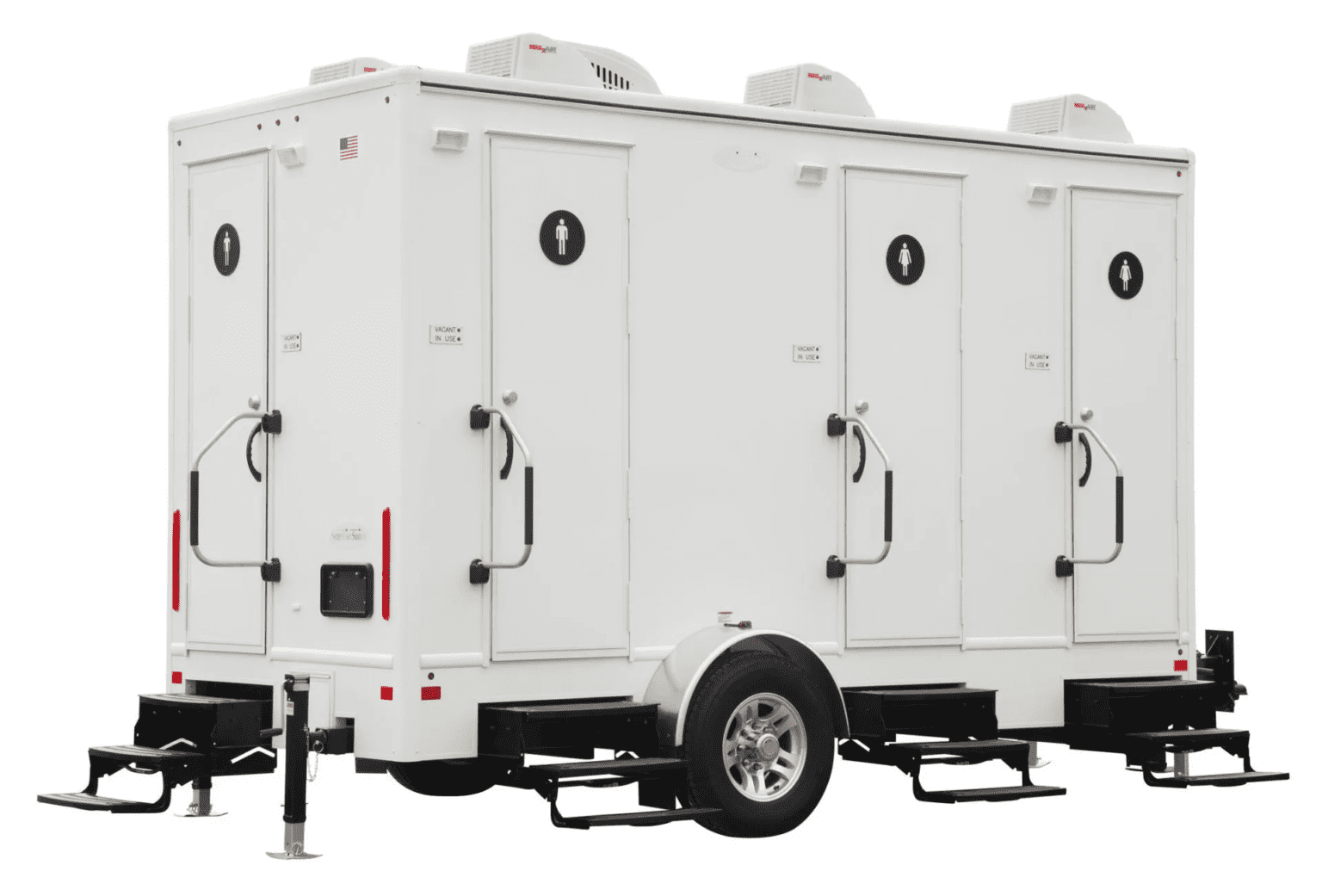
4 RestroomsDesigned for higher guest capacity, this unit offers four private, individual restrooms with flushing toilets, sinks with running water, interior lighting, and climate control.Ideal for weddings, festivals, and busy job sites.(We offer variants 2–10 stalls.)
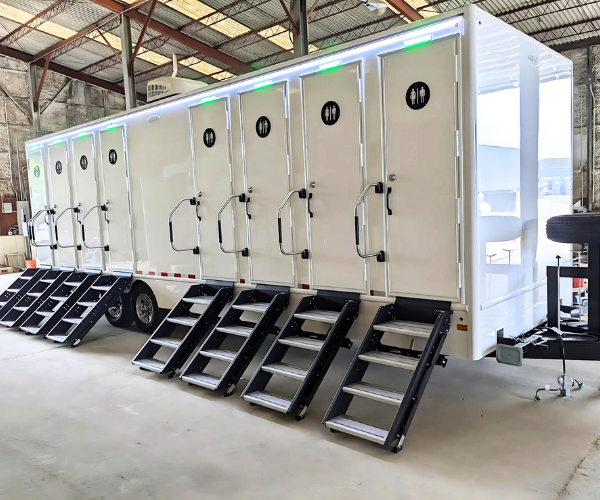
8 RestroomsPerfect for large events and high-traffic sites, this spacious trailer provides eight private stalls, each with a flushing toilet, sink with running water, interior lighting, and climate control.A reliable, upscale solution for maximum convenience and comfort.(We offer variants 2–10 stalls.)
We Proudly Serve
Standard Portable Toilets
Providing essential and dependable portable toilets for events and sites across East Tennessee.
High Rise Portable Toilets
Elevate your events in Dayton with specialized high rise portable toilets for challenging locations.
Restroom Trailers
Offering elegant and versatile restroom trailers for events in Dayton through East Tennessee Portables.
Roll off Dumpsters
Efficient roll off dumpster services for clean and organized events in Dayton, by East Tennessee Portables.
Septic Tank Cleaning
Professional septic tank cleaning services ensuring top sanitation standards across Tennessee.
Grease Trap Cleaning
Specialized grease trap cleaning services for enhanced hygiene in Dayton's food establishments.
Fencing & Barricades
Reliable fencing and barricade solutions for secure and orderly events all across Tennessee.
Residential Storage
Flexible and secure residential storage solutions in Dayton, Tennessee.
Dayton Portable Restroom Trailers and More
Obtaining a quote and scheduling delivery for a Restroom Trailer has never been more convenient. Our user-friendly online forms at the top and bottom of each page allow you to request detailed quotes effortlessly. Simply enter your basic contact information, and within moments, you'll receive personalized service options catering to your specific event needs. Our team ensures prompt responses, streamlining the process for a stress-free rental experience. Say goodbye to complicated procedures and enjoy the ease of our seamless booking system.Delivery is just as straightforward. Once your request for a quote is submitted, our dedicated professionals take over, coordinating the entire process efficiently. Our comprehensive service includes not only the transportation of the units but also complete setup, ensuring everything is in place and ready for use. Whether you're preparing for an intimate gathering or a large-scale event, our punctual delivery guarantees satisfaction. Contact us today, and discover why we're the top choice for restroom trailer rentals in Dayton.
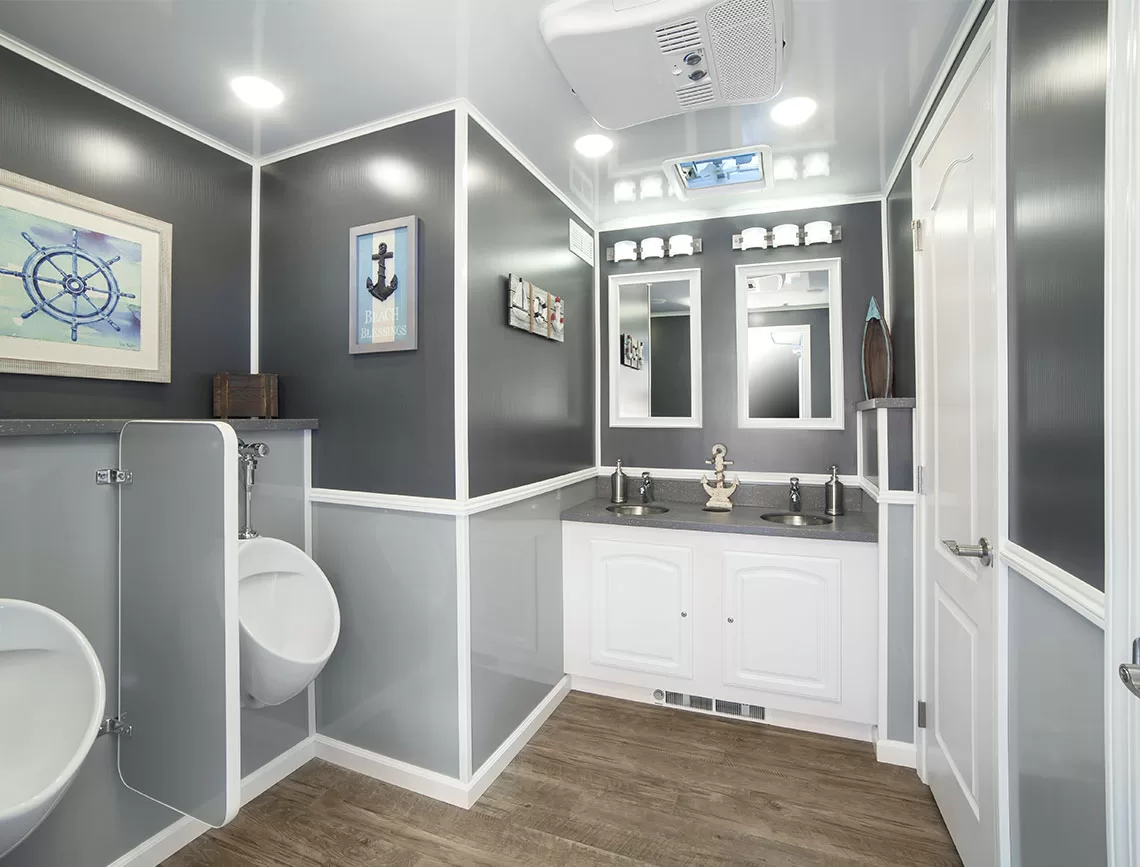
Experience the charm of Dayton with our exceptional restroom trailer services! Situated amid the stunning landscapes and lively events like the Scopes Festival, our trailers elevate every occasion with spotless and dependable facilities. Whether you're exploring the historic Rhea County Courthouse or attending a community gathering, we deliver services that embody Dayton’s distinct local flavor.Our restroom trailers are perfect for enhancing guest experiences, whether during the Tennessee Strawberry Festival or an intimate wedding. Your guests deserve the best, and our trailers offer just that. Merging local appeal with unrivaled quality, we aim to be the preferred choice for restroom rentals in this vibrant area. Our commitment to maintaining immaculate restrooms ensures that your event is a success.For Dayton residents, we promise convenience and reliability. Our trailers are readily accessible and swiftly deployed, providing essential support for any event. Prioritizing comfort and elegance, our units are essential for those looking to impress guests without sacrificing quality.
When it comes to restroom trailer rentals in Dayton, no other company compares. Our impeccable service and attention to local needs make us the preferred choice. We understand the community because we are a part of it, and we deliver solutions tailored to fit Dayton's distinctive events and landscapes.Our extensive selection of restroom trailers caters to all types of events, from festivals to weddings and beyond. We guarantee clean, modern facilities effortlessly integrated into any setting. Experience our trusted service that reflects the warmth and community spirit of Dayton.Quality and reliability underpin our operations. Our trailers not only meet but exceed industry standards, providing the comfort and functionality your guests deserve. Trust us to make your event stress-free and memorable.
Speed and reliability define our restroom trailer services. With our streamlined delivery processes, we ensure your units arrive on time, every time. Our efficient logistics team coordinates every detail, guaranteeing a setup that's both seamless and timely.Whether it's an urgent requirement for a spontaneous event or a pre-planned setup for a grand affair, our delivery service adapts to your schedule. Each trailer is thoroughly inspected, prepared, and equipped to meet your specific needs, assuring you of unwavering quality no matter the circumstance.Entrust your event to us and benefit from our commitment to fast, dependable service. In Dayton, our reputation for reliability isn't just a promise—it's a standard we're proud to uphold.
Discover Our Restroom Trailer in Dayton
Renting a Restroom Trailer in Dayton is a simple process with our streamlined system. To get started, you can use the forms conveniently located at the top and bottom of our web pages. These forms are designed to be user-friendly and require minimal information for completion. Simply provide your first name, last name, phone number, and email, and our team will swiftly process your request.Additionally, we have strategically placed 'Get A Quote' buttons throughout our website. By clicking these buttons, you can directly initiate the rental process, facilitating prompt communication and fostering a smooth transaction. After receiving your details, our dedicated team will contact you with a customized quote tailored to your specific event and location needs.Our customer support extends assistance at every step, ensuring you feel confident and well-informed about your rental choices. From initial inquiry to delivery and setup, our seamless process guarantees satisfaction and reliability. By prioritizing responsiveness and accessibility, our system alleviates any concerns, making your rental experience as stress-free as possible.Whether for a grand event or a personal gathering, our Restroom Trailers provide the perfect solution for comfort and convenience. Our commitment to quality and service excellence underscores our operations in Dayton, offering an unparalleled rental experience. Partner with us and discover how easy it is to cater to your sanitation needs with efficiency and professionalism.
Understanding the delivery timeframe for a Restroom Trailer order is essential for seamless event planning. Typically, our delivery process is efficient, ensuring your restroom trailer arrives between 24 to 48 hours after booking confirmation. This timeframe allows us to provide top-tier service without compromising on punctuality and quality. It is our priority to accommodate your scheduling preferences, striving to meet your event's specific requirements.For large-scale events or high-demand periods, we recommend booking as early as possible. This enables us to allocate the necessary resources, ensuring timely delivery and setup of your restroom trailer. Despite the popularity of our trailers, our robust logistics team is proficient in managing multiple orders, ensuring no delays occur.Our dedication to prompt service is further reinforced by our flexible delivery approach. Understanding the unique demands of each client, we customize our delivery times based on your specific event timeline. This personalized approach guarantees that all aspects of your sanitation setup align seamlessly with your event's other logistical needs, offering peace of mind as the event date approaches.Our experienced team is committed to maintaining open communication throughout the delivery process. Should any unforeseen changes arise, you can rest assured that we will keep you informed. This level of transparency instills confidence, allowing for timely adjustments without any disruption to your event's flow.Choose us for your restroom trailer rental needs in Dayton and experience our reliable delivery service that consistently meets expectations. Our commitment to timeliness and professionalism ensures your sanitation solutions are executed flawlessly, allowing your event to proceed smoothly and successfully.
Yes, we are fully equipped to handle any event or construction site with our diverse range of sanitary solutions. Our services go beyond traditional weddings and festivals, extending to corporate gatherings, family reunions, and various special occasions. We offer luxury restroom trailers, porta potties, and roll-off dumpsters to ensure comprehensive sanitation services for both formal and casual settings.Alongside our restroom units, we provide essential accessories like fencing, barricades, holding tanks, ADA units, portable sinks, and hand sanitizer stations. This extensive selection guarantees a complete and hassle-free sanitation solution, regardless of the event's scale or nature.Our dedication to quality and reliability has earned us a reputation for excellence, trusted by clients across diverse industries. We understand that each event or construction site has unique needs, and we expertly tailor our services to meet those demands efficiently. Our team collaborates closely with clients to seamlessly integrate our resources, aligning logistics with overall project goals.Partner with us for your sanitation needs and experience the benefits of our expertise and commitment to superior service. As industry leaders, we take pride in delivering cleanliness, convenience, and comfort across all settings, reinforcing our position as the preferred choice for events and construction sites alike.