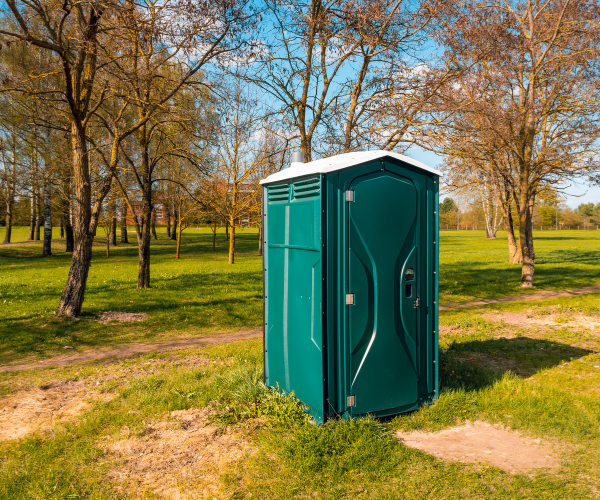
Portable toilets offer several eco-friendly advantages that contribute towards promoting sustainability and environmental conservation. Firstly, they significantly reduce water usage, as a portable toilet uses only a fraction of the water a traditional toilet does, thereby conserving this precious resource. Many modern portable toilets are designed to minimize environmental impact, using biodegradable chemicals for waste breakdown and odor control, as well as requiring less frequent water changes. Also, portable toilets reduce the risk of pollution through the controlled collection and disposal of human waste, which is managed by professionals who adhere to strict environmental standards and guidelines. This system prevents contamination of natural water sources and the surroundings, maintaining the purity of the local environment. Moreover, the placement of portable toilets at events and work sites encourages proper waste disposal practices and keeps the surrounding areas clean and hygienic, effectively reducing litter and human impact on the environment. Additionally, portable toilets can be placed in remote locations where constructing permanent facilities is neither feasible nor eco-friendly, preserving the land's natural state. Lastly, the materials used in portable toilet construction, such as durable recycled plastics, demonstrate a commitment to reducing the environmental footprint, while innovations in their design further enhance sustainability.

Portable Toilet Rentals in White County, Tennessee
Call today for a free quote (865) 353-9351
Portable Toilet
Fast, Easy, & 100% Free To Get Started
Over 25 Years of Experience
With over 25 years of experience, East Tennessee Portables has become a trusted name in White County. Our commitment to quality and strong community ties set us apart, ensuring every customer receives the highest level of service and satisfaction.
Exceptional Quality Service
At East Tennessee Portables, we pride ourselves on delivering exceptional quality service that meets the needs of all our clients. Our commitment to cleanliness, reliability, and customer satisfaction is unmatched, ensuring that every interaction surpasses expectations.
Fast and Reliable Delivery
East Tennessee Portables ensures fast and reliable delivery of portable toilets throughout White County. Our dedicated team is committed to timely service, always ensuring your facilities are ready when needed.
Reliable Portable Toilet Solutions in White County
Call for a Free Quote Today
(865) 353-9351
In the heart of White County, East Tennessee Portables emerges as the premier choice for portable toilet rentals. Our locally owned business builds its reputation on dependability and reliability, delivering quality restroom facilities for construction sites, weddings, festivals, and private parties. Serving not only the main areas of White County but also the surrounding regions, we ensure convenience and accessibility for events of all sizes. Our dedicated team offers exceptional customer service, tailoring solutions to the unique needs of each client with timely precision. Elevate your event with our hygienic, convenient restroom options, designed to enhance guest satisfaction and comfort.
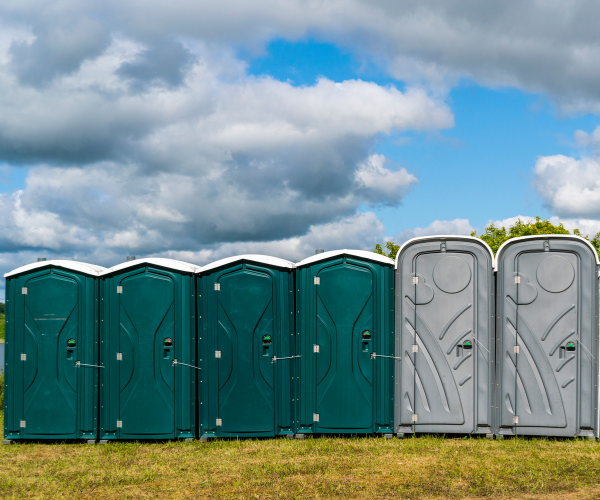
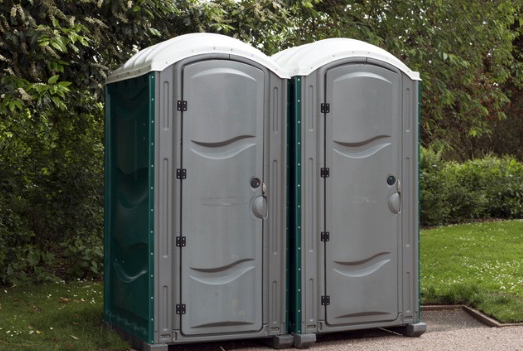
Standard Portable ToiletOur standard porta john rental units are durable and reliable for any commercial build site, housing development, public works project, or remodel job.Features include dome lighting, grated floors, and an “In-Use” locking mechanism for privacy and comfort.Regularly maintained, inspected, and cleaned by FusionSite at your location.
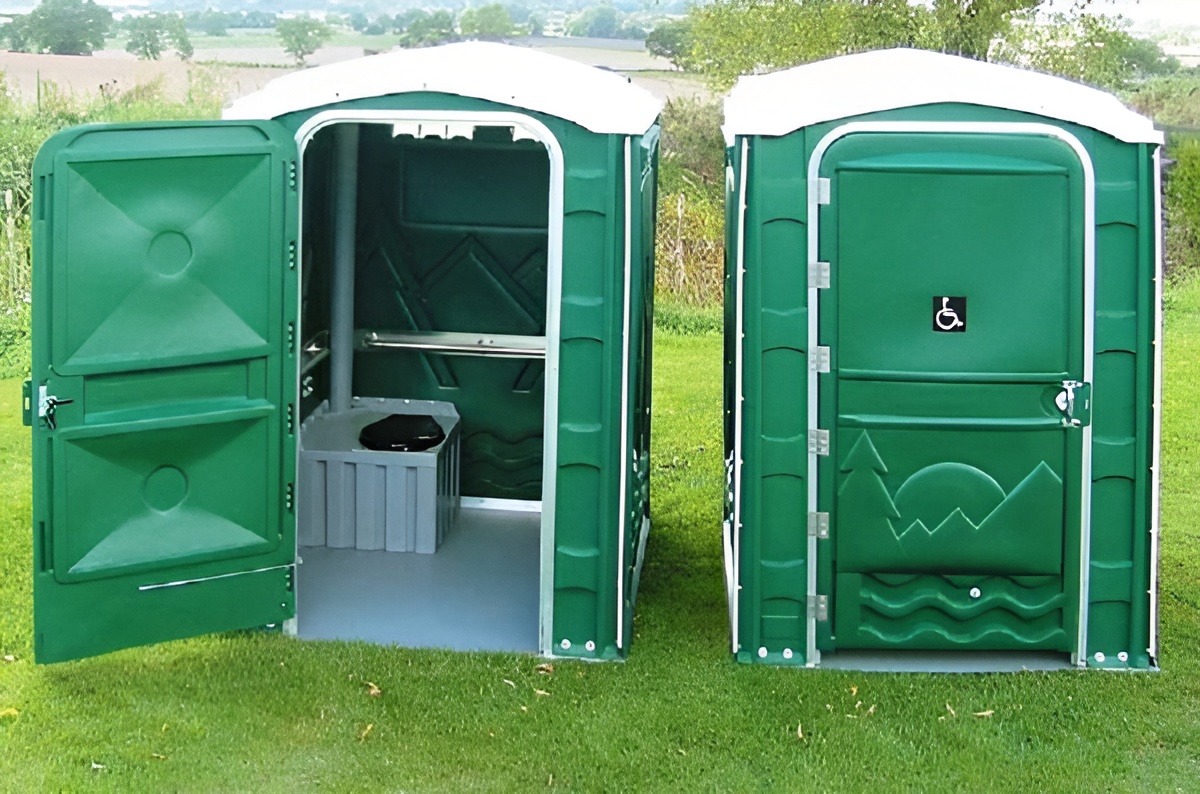
Wheelchair Accessible RestroomsDeveloped as an alternative to full ADA-compliant restrooms, the Liberty is a spacious, wheelchair-accessible unit that can also be promoted as a family-sized restroom.Includes a patented flat-floor system for easy wheelchair access and maneuverability.Handrails, paper holder, and rotary latch are designed for simple, intuitive end-user operation.
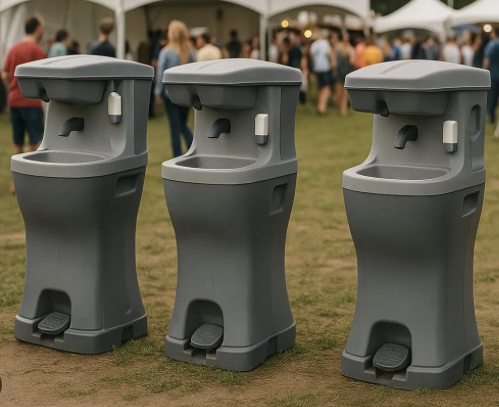
Portable SinkPortable hand washing stations are essential for keeping your work site sanitary and clean.Features hands-free foot pumps, liquid soap, and paper towels.Perfect for job sites without water hookups, these units can handle hundreds of washes between services.
We Proudly Serve
Standard Portable Toilets
Our standard portable toilets offer a practical, clean solution for events and projects throughout East Tennessee.
High Rise Portable Toilets
High Rise Portable Toilets are designed for elevated projects in White County, ensuring sanitation accessibility no matter the height.
Restroom Trailers
Our luxury restroom trailers provide a premium comfort experience for upscale events in White County.
Roll off Dumpsters
Our roll-off dumpsters complement portable toilet rentals, providing comprehensive waste solutions for White County.
Septic Tank Cleaning
Septic Tank Cleaning by East Tennessee Portables ensures effective waste management and odor control in Tennessee.
Grease Trap Cleaning
Our grease trap cleaning service in White County maintains efficiency in commercial kitchens and restaurant operations.
Fencing & Barricades
East Tennessee Portables offers reliable fencing and barricade solutions, enhancing site safety in Tennessee.
Residential Storage
Our residential storage services in White County offer secure and convenient space solutions for your belongings.
White County Portable Toilet and More
Receiving a quote and scheduling delivery for a portable toilet from East Tennessee Portables has never been more convenient. Simply reach out to us through our website or by phone to speak with one of our knowledgeable representatives. We take pride in offering personalized consultations, where we assess your specific needs and suggest the best options to accommodate your event's demands. Our streamlined process ensures quick responses and precise quotes, eliminating the guesswork for you. Expect to receive your portable toilet on time, handled by our profession-driven team committed to operational excellence. For added convenience, we can set up regular service intervals, guaranteeing the units remain clean and fully stocked during the entire duration of your rental. Entrust us with your sanitation needs and experience unparalleled service in White County.

Experience the Local Charm of White CountyWhite County captivates with its unique blend of charm and natural beauty, making it perfect for outdoor gatherings and events. At East Tennessee Portables, we appreciate the area's appeal and proudly offer outstanding portable restroom services to enrich your community occasions. Whether you're organizing a festival near the stunning Fall Creek Falls State Park or an outdoor wedding during the annual White County Fair, our Portable Toilets provide the ideal solution.Connecting Community and ComfortOur portable toilet services exceed standard expectations, offering clean and reliable units tailored for every event type in White County. Whether it's the lively fair or the tranquil park scenery, our products integrate seamlessly with the county’s vibrancy and natural settings. Designed to the highest standards, our portable toilets aim to blend comfort effortlessly with the county’s outdoor spirit.Enhancing Local Events with ConvenienceChoosing East Tennessee Portables means embracing a mix of convenience and community spirit. Our units ensure maximum privacy and comfort, adding a touch of sophistication to any occasion. No matter your event’s size or scope, our comprehensive solutions guarantee that all sanitation needs are met with precision and care. Rely on us to elevate your White County event with premier portable toilet services.
Your Best Choice for Portable Toilet Services in White CountyEast Tennessee Portables stands out through our steadfast commitment to excellence and strong ties with the White County community. We offer more than a service; we forge partnerships based on trust and mutual respect. Our approachable, responsive staff ensure each client feels supported and appreciated. Whether it's for a wedding or a construction site, we provide diverse Portable Toilet options tailored to any event or requirement. Depend on us for clean, timely, and dependable services that make every occasion memorable for the right reasons.
Fast and Reliable Portable Toilet Services in White CountyNeed a portable toilet on short notice? East Tennessee Portables has you covered. Our rapid response team ensures prompt delivery, arriving exactly when you need it. Whether it's for a sudden event or an urgent construction project, our efficient logistics guarantee seamless setup and timed deliveries. We prioritize reliability, delivering facilities exactly as promised—fully functional and maintained with utmost professionalism. Clients across White County rely on our dedication to quality and speed, making us the leading choice for quick portable restroom solutions.
Discover More About Our Portable Toilets
Renting a portable toilet in White County is a straightforward process designed for your convenience. Start by visiting our website, where you'll find forms located at the top and bottom of the page, as well as dedicated 'Get A Quote' buttons strategically placed throughout our site. By clicking these, you're guided through a simple form-fill process that requests basic information such as your first name, last name, phone number, and email—essential details for creating a personalized rental experience. Once filled, our team, experienced in delivering tailored solutions, will promptly review your submission, offering an accurate quote based on your specific requirements and event details. This seamless interaction ensures transparency and ease, reflecting our dedicated customer-first approach. Whether for a large-scale event or a personal gathering, our portfolio of options guarantees the right fit, coupled with delivery and service unmatched in reliability. From standard units for construction sites to luxury restroom trailers for weddings, East Tennessee Portables accommodates everything, making us your first choice for portable sanitation needs. Explore our offerings today and experience unmatched service with efficient delivery and setup designed to surpass your expectations.
When planning an event or a project in White County, the convenience of timely portable toilet delivery can make all the difference. At East Tennessee Portables, we prioritize prompt and reliable service, ensuring our portable toilets reach the desired location exactly when you need them. Typically, our delivery timeframe ranges from within the same day to no later than 48 hours, offering the flexibility necessary to accommodate both planned and last-minute requirements. Our dedicated logistics team coordinates efforts to guarantee delivery accuracy, adjusting schedules to meet unique client demands and location constraints, irrespective of the scale. In urgent cases, such as unplanned events or immediate needs, we can expedite our delivery service to ensure your requirements are met without delay. We believe in transparency and proactive communication, keeping you informed at each delivery phase to avoid any surprises. Rest assured, we handle every aspect of your rental with precision, providing peace of mind knowing your portable toilets are delivered on time and ready for use. Trust us for excellence that leaves a positive impression for you and your guests.
Yes, we proudly service all kinds of events and construction services throughout White County and beyond. Whether you're organizing a large festival, a community sporting event, or an intimate wedding celebration, our diverse range of portable toilet solutions is equipped to meet your needs. We cater to corporate events, family reunions, and any other special gatherings with precision, ensuring sanitary comfort for every occasion. Our offerings include luxury restroom trailers, standard porta potties, roll-off dumpsters, and more. We also provide fencing and barricades, holding tanks, ADA-compliant units, portable sinks, and hand sanitizer stations to enhance the functionality and accessibility of your site. Trust East Tennessee Portables as your comprehensive provider, delivering tailored solutions that accommodate any event size with efficiency and professionalism. We are committed to making your event seamless and worry-free by ensuring all sanitation needs are addressed with the utmost care and attention, making us the dependable choice for all your service requirements. Let us take care of the logistics while you focus on your event's success.