Portable toilets offer significant eco-friendly benefits, crucial in today's environmentally conscious society. One key advantage is the conservation of water. Traditional toilets consume high quantities of fresh water with every flush, contributing to escalating water scarcity issues. In contrast, portable toilets operate using a closed-loop system that minimizes water usage, relying instead on non-potable water or sanitizing chemicals for waste management. Another advantage is their ability to prevent pollution in natural habitats. By providing clean and contained sanitation facilities at outdoor events, construction sites, or remote areas, portable toilets reduce the likelihood of human waste contaminating surrounding soil and water bodies. This containment is bolstered by the appropriate disposal mechanisms that portable toilet providers have in place, ensuring waste is disposed of responsibly and sustainably. Additionally, portable toilets have a vital role in bolstering public health in developing regions. Where infrastructure is lacking, these units provide essential sanitation, curbing the spread of diseases that arise from poor hygiene. Eco-friendly innovations within portable toilets, such as solar-powered units, are growing in popularity. These innovative models utilize renewable energy to power essential features, such as lighting or ventilation systems, decreasing the reliance on finite energy resources. Finally, the materials used for constructing portable toilets are often recyclable or comprised of sustainable materials, further underscoring their ecological merit. By embracing portable toilets, not only are you choosing a practical sanitation solution, but you're also aligning with broader environmental goals, promoting water conservation, pollution prevention, and sustainable practices across the board.

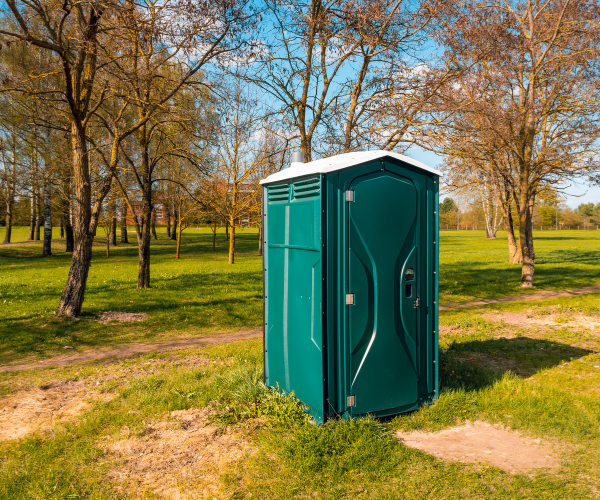
Portable Toilet Rentals in Pikeville, Tennessee
Call today for a free quote (865) 353-9351
Portable Toilet
Fast, Easy, & 100% Free To Get Started
Years of Trusted Service
Our company, with decades of experience, has established strong roots in Pikeville, highlighting our steadfast commitment to quality. Serving East Tennessee, we excel in reliable service, prioritizing customer satisfaction consistently.
Delivering Quality Service
We prioritize delivering outstanding service, making us the leading choice in Pikeville for Portable Toilet needs. Every interaction showcases our unwavering commitment to excellence.
Fast and Efficient Delivery
We specialize in swift delivery services that keep your events on schedule. Count on our prompt response and dependable solutions for an effortless, stress-free experience.
Convenient Portable Toilet Solutions in Pikeville
Call for a Free Quote Today
(865) 353-9351
In Pikeville, Tennessee, our portable toilet company exemplifies dependability and local pride. As a trustworthy, locally owned business, we support a wide array of events, including construction sites, parties, festivals, and weddings. Our unmatched dedication to excellence and service ensures that every client receives the highest level of satisfaction. Our commitment extends to Pikeville and its surrounding areas, embedding us deeply in the community we cherish. Clients rely on us for superior sanitation solutions and personable customer support. With us, rest assured you're in capable hands. Whether your event is large or small, we are devoted to delivering the best services possible.
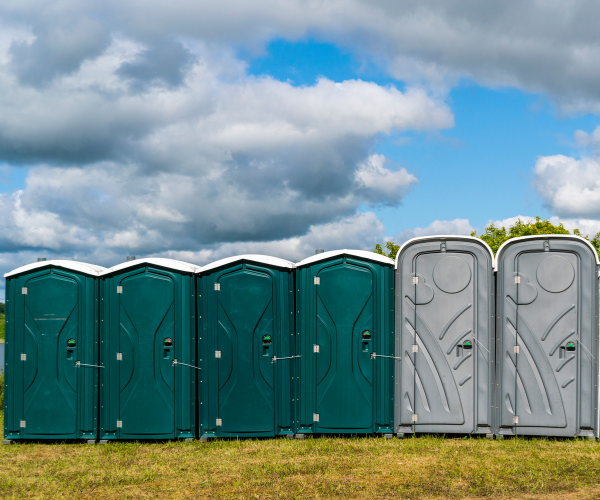
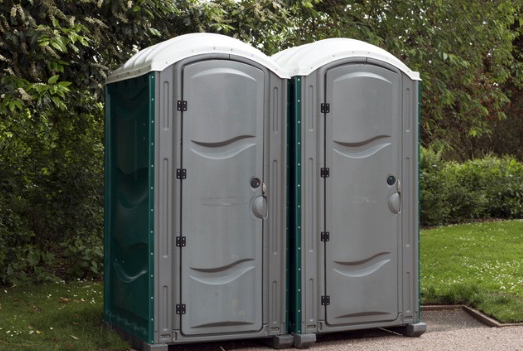
Standard Portable ToiletOur standard porta john rental units are durable and reliable for any commercial build site, housing development, public works project, or remodel job.Features include dome lighting, grated floors, and an “In-Use” locking mechanism for privacy and comfort.Regularly maintained, inspected, and cleaned by FusionSite at your location.
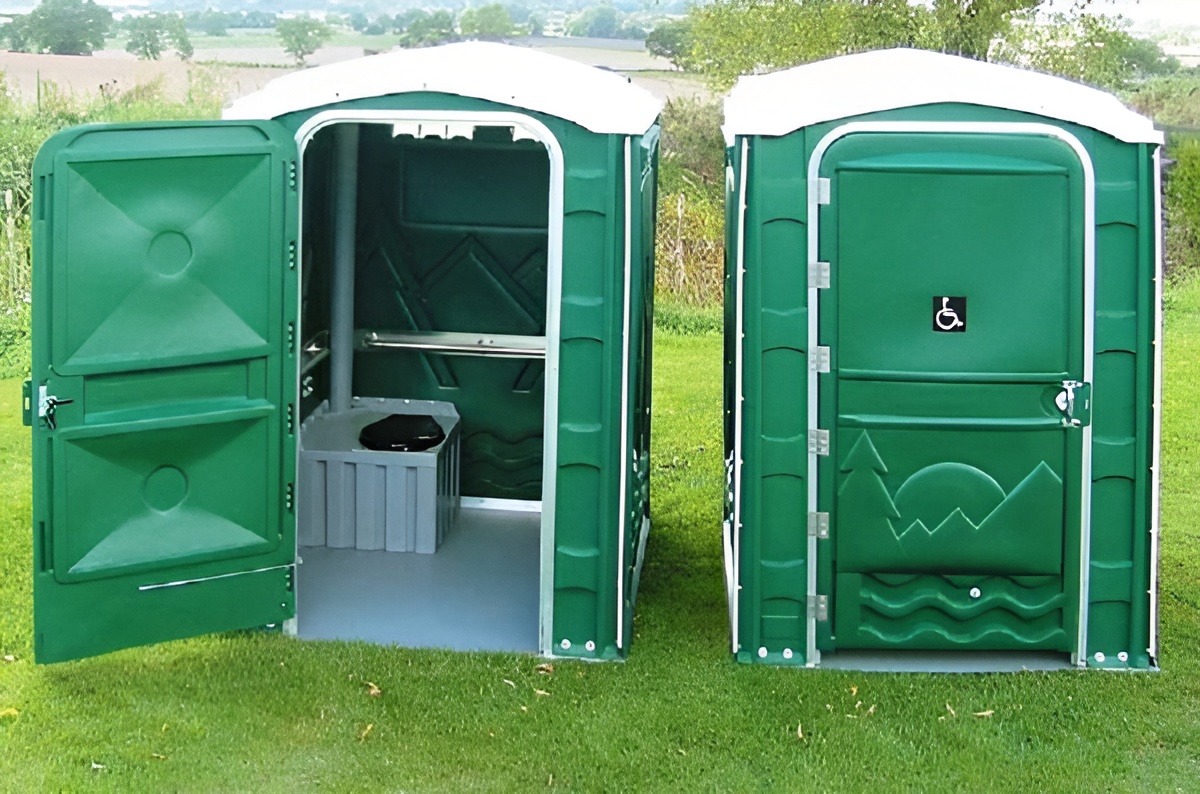
Wheelchair Accessible RestroomsDeveloped as an alternative to full ADA-compliant restrooms, the Liberty is a spacious, wheelchair-accessible unit that can also be promoted as a family-sized restroom.Includes a patented flat-floor system for easy wheelchair access and maneuverability.Handrails, paper holder, and rotary latch are designed for simple, intuitive end-user operation.
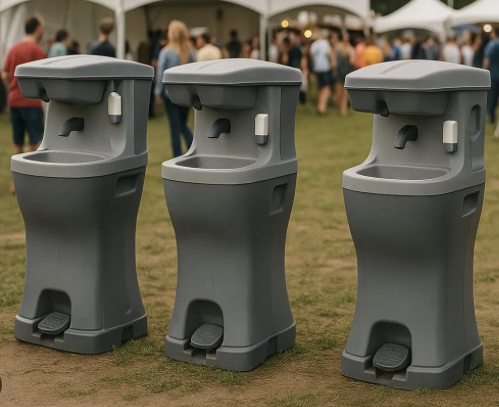
Portable SinkPortable hand washing stations are essential for keeping your work site sanitary and clean.Features hands-free foot pumps, liquid soap, and paper towels.Perfect for job sites without water hookups, these units can handle hundreds of washes between services.
We Proudly Serve
Standard Portable Toilets
Our Standard Portable Toilets offer reliable on-site sanitation solutions for diverse environments in Tennessee.
High Rise Portable Toilets
Our High Rise Portable Toilets provide efficient and compact restroom solutions for elevated job sites in Pikeville.
Restroom Trailers
Enjoy modern amenities with our Restroom Trailers in Pikeville, providing luxury comfort for any event.
Roll off Dumpsters
Our Roll off Dumpsters offer convenient waste management solutions, ensuring cleanliness across Pikeville sites.
Septic Tank Cleaning
Trust our Septic Tank Cleaning service to maintain efficient wastewater systems across East Tennessee.
Grease Trap Cleaning
Our Grease Trap Cleaning service in Pikeville ensures efficient waste management for local businesses.
Fencing & Barricades
Our Fencing & Barricades provide secure perimeter solutions for various events in Tennessee.
Residential Storage
Our Residential Storage solutions in Pikeville provide secure, convenient options for your storage needs.
Pikeville Portable Toilet Solutions
Obtaining a quote and arranging delivery for a portable toilet has never been easier. Our streamlined process prioritizes your convenience from the start, ensuring you enjoy a seamless experience. Simply reach out through our user-friendly website or contact us directly to discuss your needs. Our dedicated team is ready to provide you with a detailed quote that accurately reflects your requirements, with no hidden fees. Once established, our swift delivery system ensures the units arrive on-site punctually, allowing you to focus on other event aspects. We pride ourselves on transparent communication, guiding you through each step with clarity and ease. Let us handle the logistics, so you can emphasize what truly matters—hosting a successful event. With us, your next occasion in Pikeville will be supported by the dependable service our clients have come to expect. Enjoy peace of mind knowing your guests have access to clean, reliable portable toilets without hassle. Discover the difference by contacting us today and see first-hand why so many trust us with their sanitation needs.
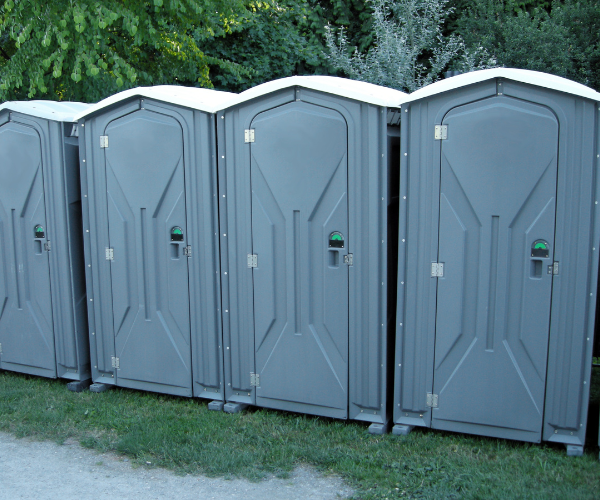
Nestled in the heart of Pikeville, our Portable Toilet service reliably enhances events and gatherings with unmatched convenience. Our service boasts a unique local charm, integrating seamlessly with the abundant outdoor attractions and community happenings that define Pikeville. Whether supporting events near Fall Creek Falls State Park's stunning vistas or amidst the vibrant ambiance of the annual Bledsoe County Fair, our top-of-the-line sanitation solutions provide the clean and reliable facilities your guests deserve. Choosing our Portable Toilet services ensures a hassle-free experience that enriches any occasion with convenience. We take pride in our community involvement, offering portable sanitation that's as welcoming as Pikeville itself. Let us support your events with top-tier sanitation that reflects the essence of this charming locale.
Experience unmatched service in portable toilet rentals with us, the top choice in Pikeville. Every unit we offer reflects our commitment to quality, maintained in immaculate condition through regular upkeep. Deeply rooted in the local community, we ensure our solutions elevate everything from intimate gatherings to major public festivals. When you choose us, you benefit from our enduring dedication to excellence and our insightful grasp of Pikeville's growing needs.
Our delivery team swiftly and reliably ensures portable toilets arrive at your event location. Known for punctuality, we've built a reputation for consistently exceeding client expectations. Whether accommodating a last-minute request or a meticulously planned event, we address your needs with precision and attention. Experience our renowned dedication to quick service and see why we're Pikeville's trusted name in portable restroom solutions.
Discover More About Our Portable Toilets in Pikeville
Renting a portable toilet in Pikeville is straightforward and efficient with our streamlined process, designed to save you time and effort. Begin by visiting our website, where you'll find user-friendly forms conveniently placed at both the top and bottom of the page. These forms, which kick-start your rental process, require basic details like your first and last name, phone number, and email address. For added ease, 'Get A Quote' buttons are strategically positioned across the site. A simple click takes you to our dedicated quote page, ensuring your request is promptly received. Once you submit your request, our dedicated staff quickly processes the information, crafting a rental plan tailored to your specific needs. Our team takes pride in its responsiveness, guaranteeing follow-up contact within 24 hours. We're committed to providing a seamless, effective service, ensuring your event or project in Pikeville proceeds without a hitch. The dependability and ease of our rental process distinguish us as the premier choice for portable toilet rentals in the region.
The typical delivery timeframe for portable toilet orders varies based on demand and location, but we strive to offer swift and reliable service. Usually, orders are processed and delivered within 24 to 48 hours of confirmation, ensuring your site is adequately equipped with necessary sanitation solutions. During peak seasons or large-scale events, it's advisable to place orders well in advance—this allows us to align our logistics efficiently, especially for events requiring multiple units. For urgent or last-minute requests, our team makes extraordinary efforts to accommodate such needs, offering express delivery options where feasible. Communication remains key, and our customer service team keeps you informed every step of the way, from the initial request to final delivery. Our commitment to punctual delivery ensures your event setups are hassle-free, a service feature our clients frequently commend. Trust in our delivery reliability as part of our comprehensive commitment to excellent service.
Yes, we are fully capable of servicing a wide range of events and construction services with our versatile portable restroom solutions. Whether you're organizing a grand festival, a thrilling sporting event, a sophisticated wedding, or a corporate affair, we've got you covered with units to suit every need. Our offerings include luxury restroom trailers for upscale events, standard portable toilets, and even roll-off dumpsters for comprehensive site management. We also provide fencing and barricades, holding tanks, ADA-compliant units, portable sinks, and hand sanitizer stations. No matter the scale or type of your occasion, be assured of sanitary service excellence. Our team is experienced and equipped to handle the logistics, addressing challenges with adept solutions tailored to your events' smooth operation.